
Substack Library
GlossaryLetter from Estonia
July 5, 2026Not investment advice.
Today I want to talk about the economy, tail-risk protection, and Estonia. The connection is simple: Estonia, where I am right now, sits on the front line of where another hot war could erupt. Even if the probability is low, the risk is real enough that being fully long stocks feels dangerous.
Markets
The global economy is growing well, driven by the US, which is expanding at a strong pace — perhaps 6% nominal. The US is growing fast because unemployment is low at 4.2% (we learned last week), and both government spending (around 5% of GDP and rising toward 6%) and corporate borrowing remain significant. In contrast, China, Germany, and the UK are growing weakly or not at all.
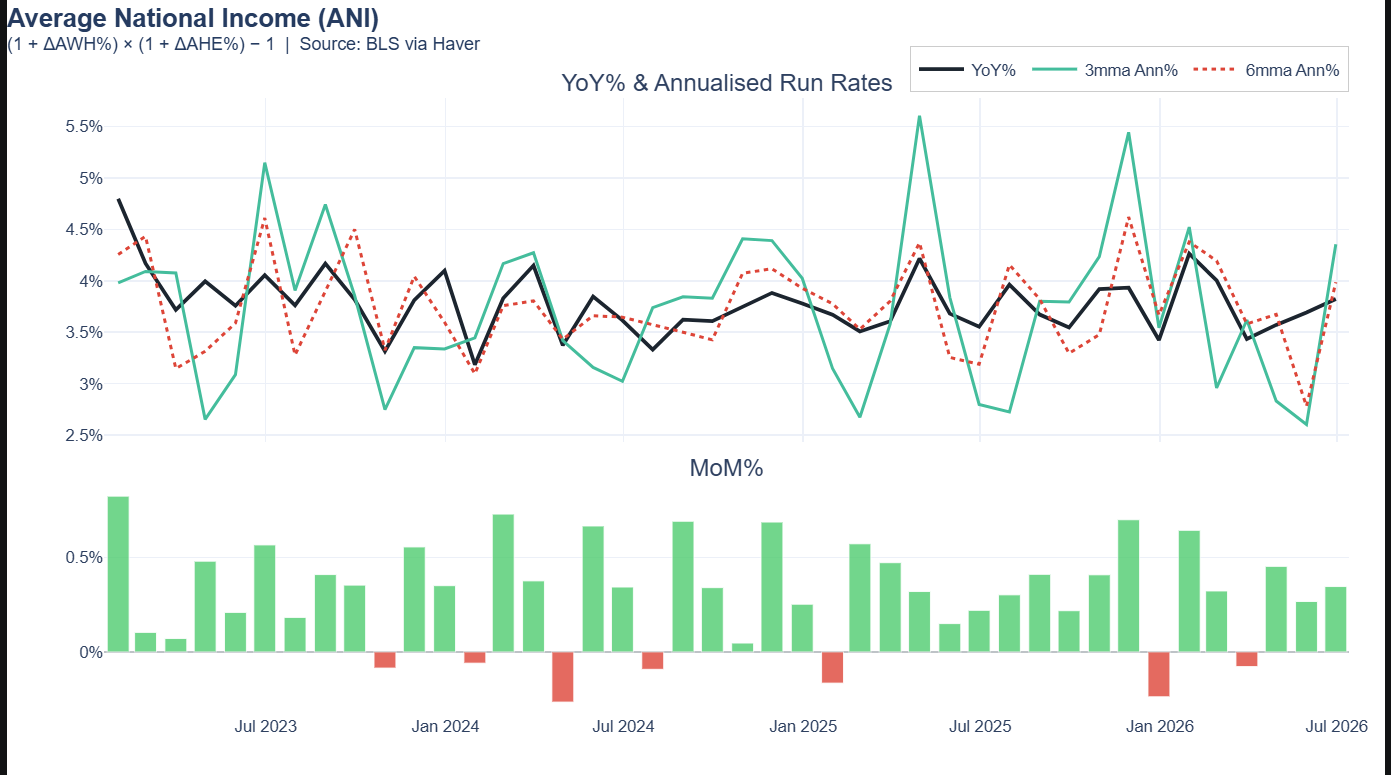
The latest US employment report was solid. If you are a hawk worried about inflation missing its target for years, you would note that wage growth remains strong and is not trending lower in a way that suggests either imminent AI disruption or inflation falling sharply.
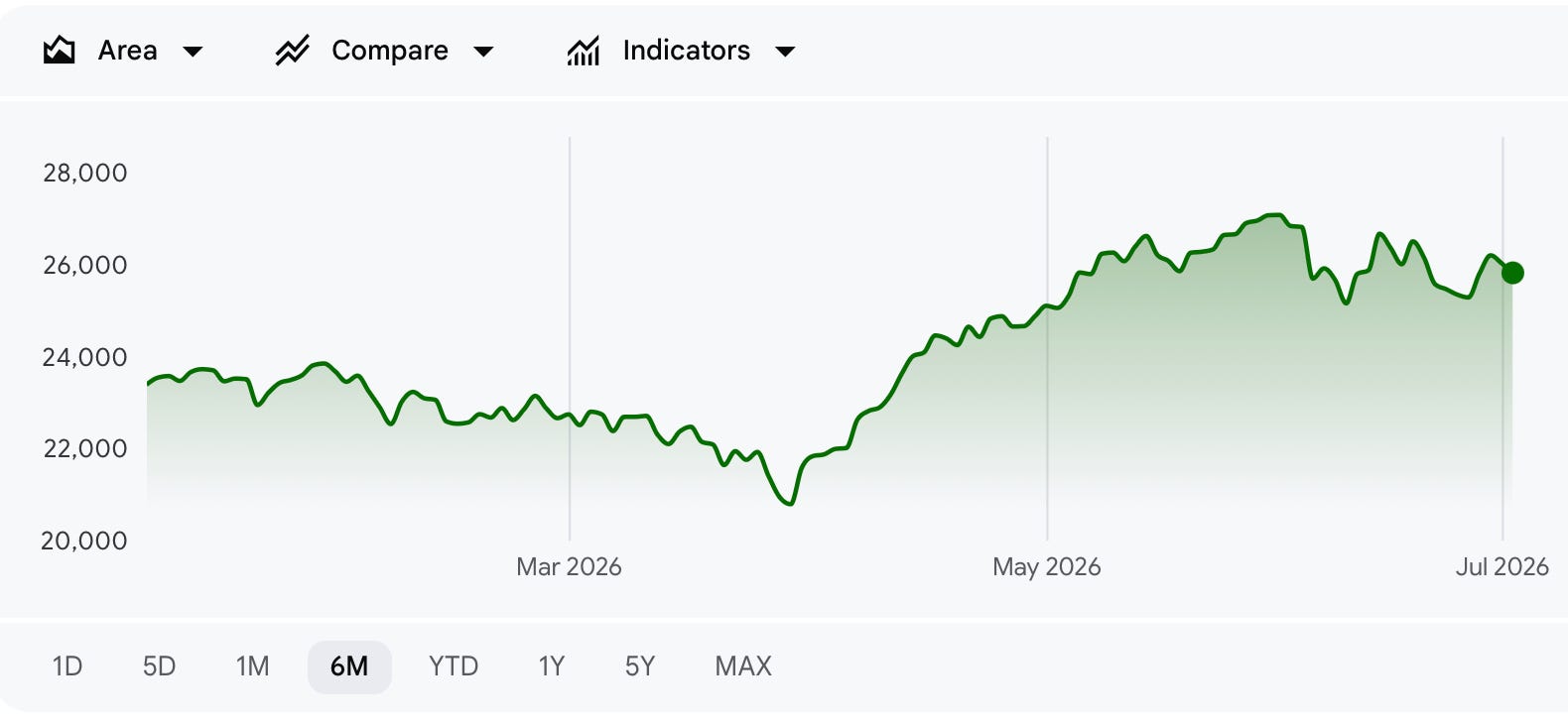
Concern about potential Fed hikes, as well as possible misallocation of AI-related capital, has led to caution. The NASDAQ is essentially unchanged over the last few months. My current hypothesis is that the Mag 7 will become more thoughtful in their spending — either because they begin using cheaper Chinese AI alternatives or because innovation makes AI token generation more efficient. Any sign they are spending either less — or more efficiently — will likely be seen as bullish for stocks, and bullish for the dollar.
Estonia
It was cool and rainy in Estonia, the light lingering late into the evening. The Russian border is about 100 miles from where I write. I was invited to the InvesteerimisFestival in rural Estonia — a location, like Taiwan, on the front line of the East-West conflict. While the US has enjoyed centuries of security, Estonia has been invaded by Vikings, Swedes, Russians, Germans, and Soviets — a stark testimony to humanity’s proclivity for violence and plunder.
The first time I visited Estonia was in the summer of 1990, when it was still part of the Soviet Union. The locals did not care for the Soviet Union’s brutal combination of violence, poverty, and corruption. Thirty-six years later, everyone speaks fluent English, entrepreneurs debate which AI model best suits their needs, and the kids study on Khan Academy.
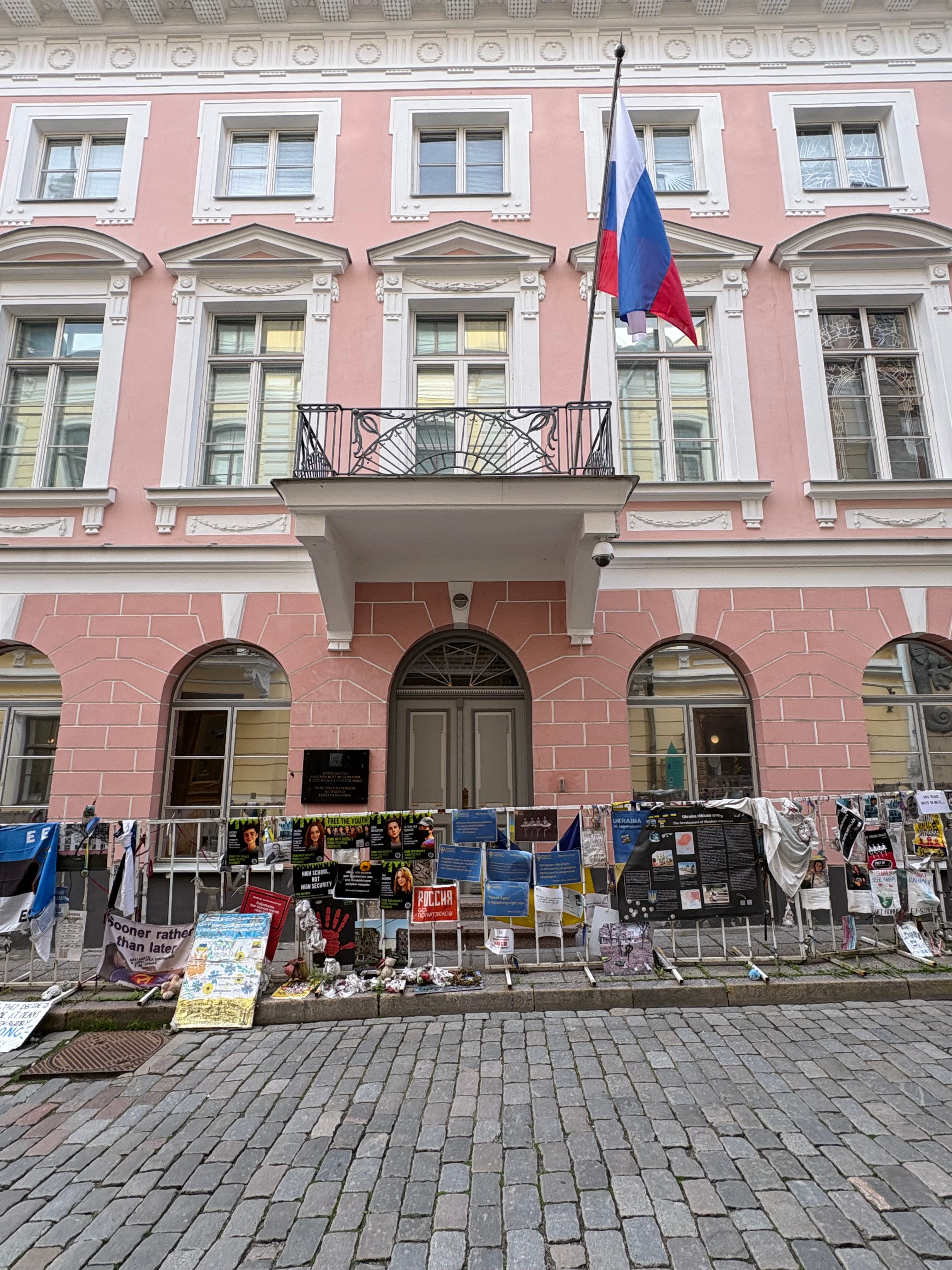
Estonia is now spending over 3% of GDP on defense and has sent more aid to Ukraine as a percentage of GDP than the US — roughly 2–3% of Estonian GDP compared to America’s ~0.5%. In other words, Estonia believes the threat of a Russian attack is real. The Russian embassy in Tallinn is surrounded by protest posters. NATO does not feel abstract here; more the protector of civilized life. No one I spoke to—Estonian or Russian—will set foot in Russia.
I am bullish, but I know I cannot predict whether Russia will attack, whether China will move on Taiwan, or whether Iran will escalate. This means I need to maintain tail-risk hedges on my portfolio, even if they have a negative expected return. From a portfolio perspective, these hedges can be invaluable in an uncertain world.